Role of Macronutrients and Natural Superfoods in Preventive measurements of Polycystic ovary syndrome: A Review
Shivangi Srivastava1*, Sneha Pandey2
1Department of Biotechnology, S.R. Group of Institutions, Lucknow, Uttar Pradesh, India
2Pranveer Singh Institute of Technology (Pharmacy) NH2 Kanpur Agra Highway Bhauti Kanpur 208011 UP India
Corresponding Author: Shivangi Srivastava (shreyasrivastava0198@gmail.com)
Abstract
Polycystic ovary syndrome (PCOS) is a common condition that affects women of reproductive age, leading to a wide range of physical and emotional symptoms. Although the exact cause of PCOS is unknown, it is thought to be associated with hormonal imbalances, inflammation, and insulin resistance. This paper will explore the potential role of super foods and functional foods in the management of PCOS. Super foods are nutrient-dense foods that are high in vitamins, minerals, and other beneficial compounds, while functional foods are those that are modified or processed to have added health benefits. The paper will discuss the evidence for the potential benefit of super and functional foods in the management of PCOS, including their anti-inflammatory, anti-oxidant, and hormone-balancing properties. The paper will also examine the potential health risks associated with excessive consumption of these foods and the need for further research to confirm the efficacy of these foods in PCOS management.
Keywords: Superfoods; Macronutrients; Nutrition; Maca roots; Hemp seeds
1. Introduction
PCOS is a common endocrine disorder in reproductive-aged women that causes reproductive, metabolic, and hormonal abnormalities. It affects 6% to 21% of women. Stein and Leventhal identified it in 1935 as an accumulation of incompletely developed follicles in the ovaries. Turkey has the highest prevalence at 19%, while Oman has the lowest prevalence at 6.8%. India has a medium prevalence of 6.8%. PCOS is distinguished by hyperandrogenism, irregular menstrual cycles, a lack of ovulation, enlarged ovaries with numerous cysts, and infertility. Super foods are those nutrient-rich foods that are considered to be especially beneficial for health and well-being. These foods are typically high in antioxidants, vitamins, minerals, and other essential nutrients, and they often provide a wide range of health benefits. Super foods can help to reduce the risk of disease, improve overall health, and boost energy levels. They also help to keep us looking and feeling our best.
Eating a variety of super foods can help us to maintain a balanced diet and ensure that we get the vital nutrients our bodies need. Superfoods have an important role to play in managing PCOS. They are essential for balancing hormones, reducing inflammation and supporting healthy metabolism. Superfoods can provide a variety of essential vitamins, minerals, and antioxidants that can help reduce the symptoms associated with PCOS. Eating a balanced, healthy diet filled with nutrient-dense superfoods can help you achieve optimal health and wellness. Functional foods are foods that are specially formulated to provide health benefits and help reduce the risk of certain diseases. They are becoming increasingly popular for their potential to promote good health and prevent illness. Functional foods typically contain components such as vitamins, minerals, dietary fiber, probiotics, bioactive compounds, and other nutrients that are thought to provide health benefits. Examples of functional foods include fortified breakfast cereals, enriched breads, yogurt, and beverages such as green tea.
The most common PCOS-related complications are hyperinsulinemia, insulin sensitivity (40%), androgen excess, ovulatory dysfunction, cystic ovaries, gonadotropin anomalies, overweight, adipose tissue dysfunction, difficulty conceiving, and high-risk pregnancy. PCOS is an endocrinologic abnormality that begins shortly after menarche. Among the most common endocrine abnormalities seen in PCOS is persistently elevated luteinizing hormone (LH) and insulin resistance. The genetic cause of excessive LH is unknown. It is worth noting that neither an increase in LH nor insulin resistance is sufficient to explain the pathogenesis of PCOS. High LH and hyperinsulinemia work synergistically to cause ovarian growth, androgen production, and ovarian cyst formation, according to in vitro and in vivo evidence (Lan et al., 2023).
Polycystic ovary syndrome (PCOS) is a common hormonal disorder that affects women of reproductive age. It is characterized by the growth of multiple small cysts in the ovaries, which can cause irregular menstrual cycles, infertility, and a range of other symptoms. PCOS is one of the most common hormonal disorders in women of reproductive age, with estimates ranging from 5-10%. Treatment typically involves lifestyle modifications, hormonal therapy, and medications. Fortunately, PCOS can be managed with the right nutrition. Eating nutrient-dense foods, such as fruits, vegetables, lean proteins, and whole grains, can help to reduce the symptoms of PCOS (Emamat et al., 2022). Additionally, certain nutrients can be beneficial for treating the symptoms of PCOS. These include omega-3 fatty acids, zinc, chromium, magnesium, vitamin D, and B vitamins. Incorporating these nutrients into your diet can help to reduce the symptoms of PCOS, improve fertility, and reduce the risk of long-term health problems. Polycystic ovary syndrome (PCOS) is a disorder that affects the hormones of women. It causes the ovaries to produce too much of the male hormone androgen, resulting in a range of symptoms such as irregular menstrual cycles, infertility, weight gain, acne, and excess facial and body hair. Fortunately, with the help of nutrients found in certain foods, PCOS can be managed and treated. Eating a balanced diet that is rich in fiber, healthy fats, and lean proteins can help to regulate hormones, reduce inflammation, and improve overall health. Additionally, consuming key nutrients such as magnesium, zinc, and omega-3 fatty acids can help to improve fertility, reduce the risk of metabolic disorders, and reduce symptoms of PCOS. Incorporating nutrient-rich foods such as leafy greens, nuts, and fish into your diet is an important step toward treating PCOS. These foods provide essential vitamins and minerals that can help regulate hormones, improve fertility, and reduce inflammation. Eating a balanced diet with plenty of fresh, whole foods can also help to reduce insulin levels, which is essential for managing PCOS. Additionally, eating smaller meals more often throughout the day can help to manage blood sugar levels and reduce the risk of developing insulin resistance. Finally, limiting sugar and refined carbohydrates is important to help reduce symptoms associated with PCOS (Mounika, 2019). By focusing on a nutrient-dense diet and making healthy lifestyle changes, you can take control of your PCOS and improve your overall health. In this review, the role and functions of various Superfoods and other nutrients are discussed for the treatment of PCOS.
- Role of Macronutrients and Micronutrients in PCOS
Nutrients play an important role in managing symptoms of Polycystic Ovary Syndrome (PCOS). Eating a balanced diet rich in essential nutrients helps to regulate hormones, maintain healthy weight, improve energy levels and reduce inflammation. Nutrients like omega-3 fatty acids, zinc, magnesium, vitamin D, and chromium can help improve insulin sensitivity and reduce the risk of developing insulin resistance, a common symptom of PCOS. A diet that is high in fiber and low in processed carbohydrates can help reduce androgen levels and improve ovulation. Eating a nutrient-dense diet that is low in calories and saturated fats may also reduce the risk of developing metabolic syndrome, a condition that is common among women with PCOS (Kaur et al., 2022).
- Carbohydrates
Carbohydrates play an important role in the management of polycystic ovary syndrome (PCOS). Carbohydrates help the body to produce insulin, which helps to regulate blood sugar levels. In PCOS, the body has difficulty regulating insulin levels, which can lead to higher levels of insulin in the body. Consuming the right types of carbohydrates in the right amounts can help improve insulin sensitivity and reduce the risk of developing diabetes. Eating a diet that is high in fiber and low in refined carbohydrates can also help reduce the risk of developing PCOS. Additionally, regular physical activity can help reduce the risk of PCOS by improving insulin sensitivity and helping to maintain a healthy weight. Carbohydrates play an important role in the glycaemic index of foods for people with PCOS. A high glycaemic index diet is linked to increased levels of insulin, which can lead to increased androgen production, resulting in the development of PCOS. Consuming low-glycaemic index carbohydrates helps to reduce insulin levels and, as a result, can help to lower androgen levels and reduce symptoms of PCOS. Low-glycaemic index carbohydrates include whole grains, legumes, and certain fruits and vegetables. These will help to keep blood sugar levels stable and prevent large spikes in insulin levels. Eating a diet that is low in refined carbohydrates and high in low-glycaemic index carbohydrates can help to improve metabolic health and reduce PCOS symptoms (Rushinaidu et al., 2023).
- Protein
Proteins play an important role in the development and management of PCOS. Proteins are essential for the normal production and regulation of hormones, which are key components of PCOS. They also help maintain healthy body weight and support insulin sensitivity, which is important for preventing and managing PCOS. Additionally, proteins help to regulate appetite and provide the body with essential nutrients and energy, which can both help to reduce PCOS symptoms. Finally, proteins can help to reduce inflammation, which is a common symptom of PCOS and can lead to further health complications. Proteins play an important role in PCOS, as they provide the body with the essential amino acids required for the production of hormones, such as insulin. As PCOS is associated with insulin resistance, a diet that is rich in protein may help to reduce the symptoms of PCOS. Protein also helps to balance blood sugar levels, which is important for women with PCOS, as elevated blood sugar levels can worsen symptoms. Protein can also help to reduce cravings and improve satiety, which can help with weight loss.
Figure 1 – Polycystic ovarian syndrome – Role of imaging in diagnosis
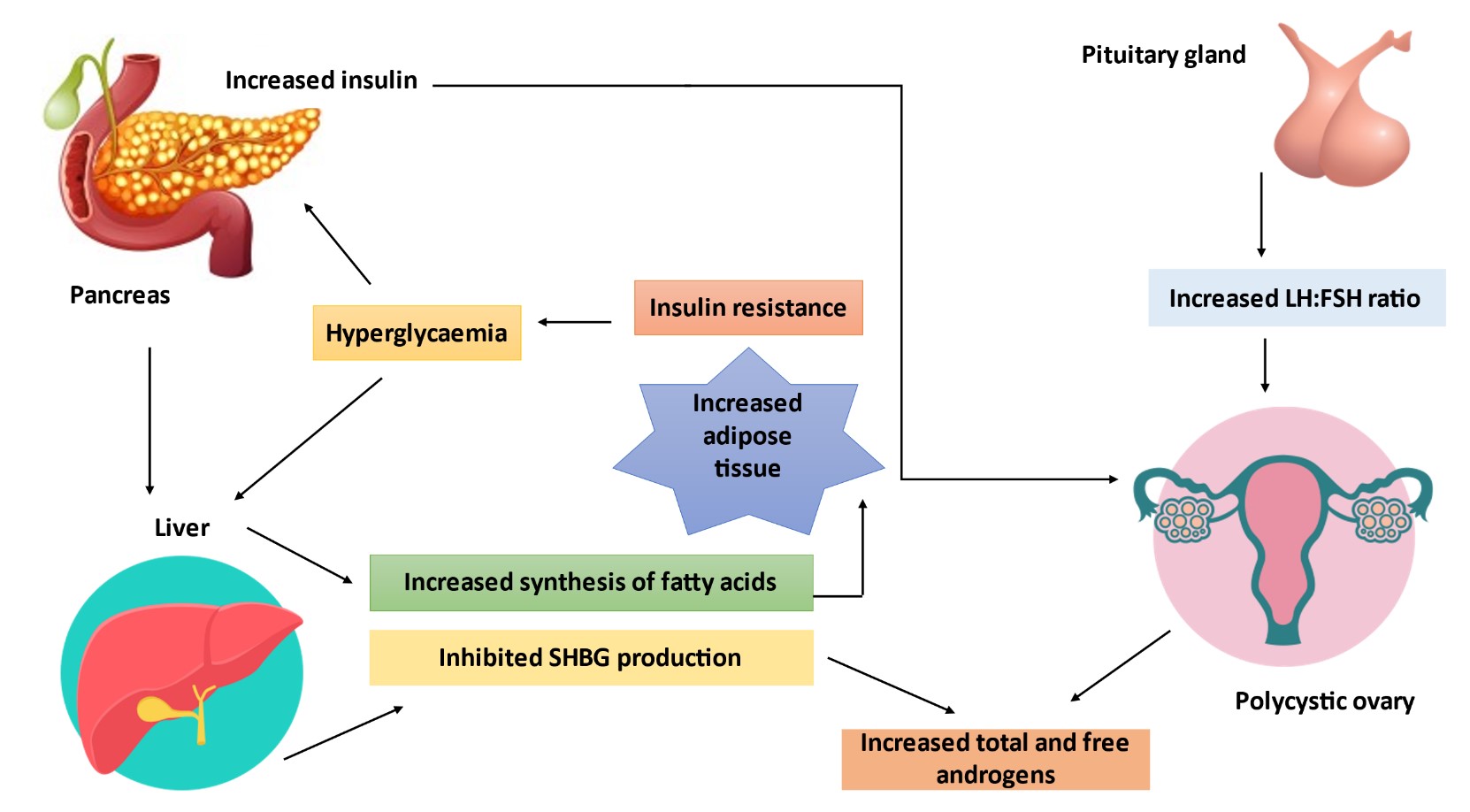
with weight loss. Furthermore, protein helps to build and retainlean muscle mass which aids in boosting metabolism and aiding in weight loss. Research suggests that a high-protein diet may help improve glycaemic control and reduce the risk of metabolic syndrome in women with PCOS. High-protein diets may also help to reduce body fat, improve insulin sensitivity, and provide better satiety compared to low-protein diets. Furthermore, research indicates that a higher-protein diet may be beneficial in improving fertility in women with PCOS. Therefore, increasing the protein intake through the consumption of lean meats, eggs, dairy products, and plant-based proteins may be beneficial in managing glycaemic index and other symptoms associated with PCOS. A high protein diet can be beneficial for women with PCOS as it can help to regulate hormones, reduce inflammation, control blood sugar levels and promote weight loss. Protein is a nutrient that helps to slow down the release of glucose into the bloodstream, which can help to reduce the risks of insulin spikes. It can also help to reduce cravings and hunger, helping to promote a healthier eating pattern. Additionally, protein helps to build muscle mass, which can be beneficial for women with PCOS who may be prone to weight gain (Almri et al., 2020).
- Fats
Fats play an important role in maintaining healthy hormone levels in women with PCOS. They are necessary for hormone production, as well as for providing energy and helping to absorb essential vitamins and minerals. Eating healthy fats, such as those found in fatty fish, nuts, seeds, avocados, and olive oil, can help to balance hormones, reduce inflammation, and improve blood sugar levels. Additionally, limiting unhealthy fats, such as trans fats and saturated fats, may help to improve overall health and reduce the risk of PCOS-related complications. Fats play an important role in PCOS as they are essential for hormone production and balance. They also provide energy and help to absorb fat-soluble vitamins. Eating healthy fats such as extra-virgin olive oil, avocado, and fatty fish like salmon, can help to reduce inflammation, regulate blood sugar levels, and improve insulin sensitivity. This can help to reduce symptoms of PCOS, such as irregular periods and ovulation. Additionally, certain fats, such as omega-3 fatty acids, have been found to reduce inflammation, which may be beneficial for PCOS symptoms (Shahbaz et al., 2022).
- Omega-3 and Omega -6 fatty acids
Omega 3 fatty acids play an important role in managing PCOS (polycystic ovarian syndrome). Research has shown that Omega 3 fatty acids can help reduce inflammation, regulate hormones, and reduce insulin resistance, all of which are key components of PCOS. Omega 3 fatty acids can also help improve fertility, reduce acne and other skin issues, and improve overall health. Additionally, Omega 3 fatty acids can help reduce oxidative stress, which may help reduce the risk of cardiovascular disease in women with PCOS. Omega-3 fatty acids are anti-inflammatory and may help balance hormones, reduce insulin resistance, and reduce the risk of metabolic syndrome. They can be found in foods such as salmon, mackerel, flaxseed, walnuts, and chia seeds. Omega-6 fatty acids are essential fatty acids that are important for maintaining reproductive health and hormonal balance in women with PCOS. They have been linked to improved insulin sensitivity, reduced inflammation, and lower testosterone levels. They can also help reduce symptoms like hirsutism and acne. Omega-6 fatty acids are found in foods like nuts, seeds, and vegetable oils. Incorporating these foods into a diet can help reduce the risk of developing PCOS or reduce symptoms in those already affected (Zeng et al., 2019).
- Monounsaturated fats
MUFAs, or monounsaturated fatty acids, are important for PCOS patients as they are known to help reduce inflammation and improve insulin sensitivity. Research has shown that MUFAs can also help reduce levels of androgens, which are hormones linked to PCOS. Additionally, MUFAs are important for regulating hormones and reducing oxidative stress, both of which are important in managing PCOS. The role of MUFA (monounsaturated fatty acids) in PCOS (Polycystic Ovary Syndrome) is an area of active research. Studies suggest that MUFA may have beneficial effects on insulin sensitivity and on metabolic markers such as triglycerides and cholesterol. These effects may be related to the anti-inflammatory and antioxidant properties of MUFA. Additionally, MUFA may help to improve fertility in women with PCOS by increasing the production of follicle-stimulating hormone. Monounsaturated fats are healthy fats that can help reduce inflammation. They can be found in foods such as olive oil, avocados, and nuts (Li et al., 2021).
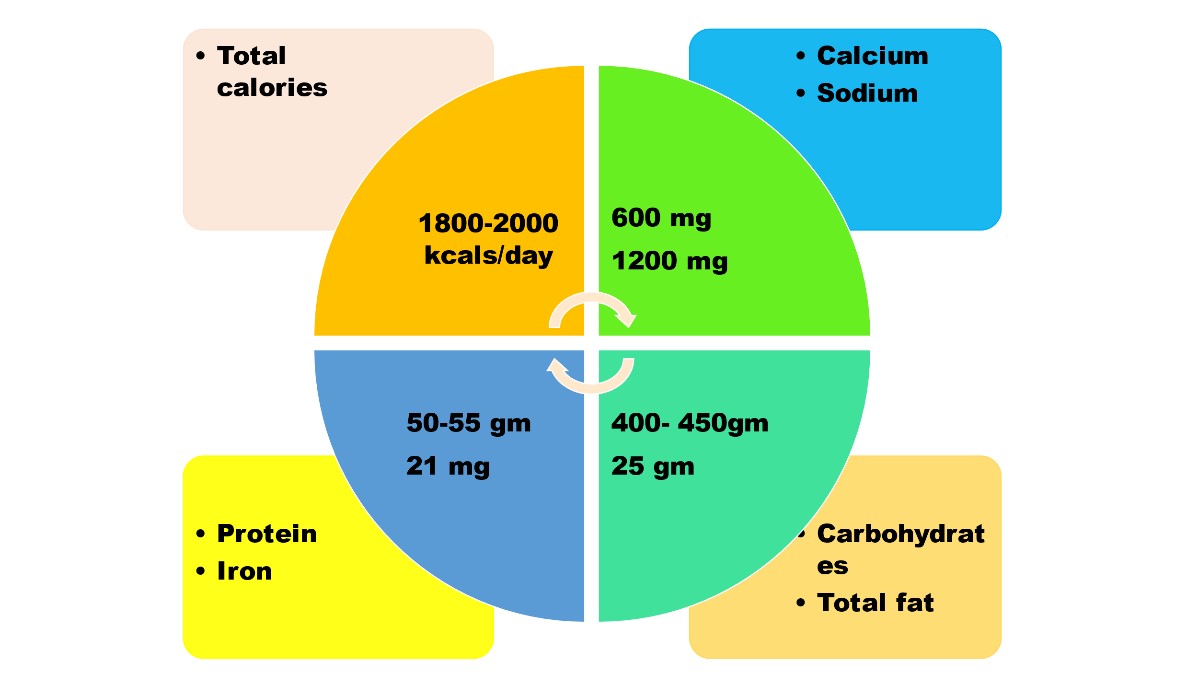
Figure 2– PCOS recommended diet plan chart
- Coconut oil
Coconut oil has been found to have beneficial effects on PCOS symptoms. Research suggests that it can help reduce inflammation, improve metabolic function, and reduce insulin resistance. It may also help reduce androgen levels, improve lipid profiles, and reduce the severity of polycystic ovarian syndrome. Additionally, coconut oil is a great source of healthy fats, which can help to regulate hormonal balance. Finally, coconut oil can offer relief from stress, which is known to aggravate PCOS symptoms. Coconut oil is rich in medium-chain triglycerides, which can help with weight loss and improve insulin sensitivity (Noreen et al., 2022).
- Avocado oil
Avocado oil is believed to have a beneficial effect on PCOS symptoms. It is thought to reduce inflammation, balance hormones, and improve blood sugar levels. It may help to reduce the risk of developing ovarian cysts, as well as reducing the severity of PCOS-related symptoms such as excess hair growth and acne. Additionally, avocado oil is a rich source of monounsaturated fats, which may help to reduce LDL (bad) cholesterol levels, as well as improve insulin sensitivity. Avocado oil is high in antioxidants and monounsaturated fats, making it beneficial for improving insulin sensitivity and reducing inflammation (Chakraborty, 2022).
- Olive oil
Olive oil is a great source of monounsaturated fatty acids, which is beneficial for women with PCOS. It helps regulate the hormones and reduce inflammation. Studies have also suggested that olive oil helps lower levels of low-density lipoprotein (LDL) cholesterol in women with PCOS. LDL cholesterol is a type of cholesterol that can increase the risk of heart disease. Additionally, olive oil can also help reduce symptoms of insulin resistance, which is common in women with PCOS. Overall, olive oil can be a beneficial addition to a PCOS diet. Olive oil is a rich source of monounsaturated fatty acids, which have anti-inflammatory properties. These properties may be beneficial for people with PCOS, as inflammation has been linked to the development of the disorder. Olive oil also contains polyphenols, which have antioxidant and anti-inflammatory effects. Studies have shown that polyphenols can reduce inflammation in the body and improve insulin sensitivity. In addition, olive oil is a good source of omega-3 fatty acids, which have been shown to reduce inflammation and may help improve PCOS symptoms. Finally, olive oil also contains vitamin E, which is an important nutrient for hormone balance. Vitamin E helps reduce inflammation and helps the body produce hormones, which can help with PCOS symptoms. Olive oil is also a great source of healthy fats and can help improve insulin sensitivity and reduce inflammation (Amin et al., 2022).
- Hemp seeds
Hemp seeds are a good source of essential fatty acids, dietary fiber, protein, and minerals like zinc, magnesium, and iron. These nutrients can play an important role in helping to manage Polycystic Ovary Syndrome (PCOS). Studies suggest that increasing essential fatty acid intake can help reduce inflammation, improve insulin sensitivity, and even reduce symptoms of depression and anxiety. Dietary fiber can help regulate blood sugar levels and promote regular digestion, while protein can help support healthy hormone production. Minerals like zinc, magnesium, and iron can help with metabolic and reproductive functions, while also helping to reduce inflammation. Furthermore, hemp seeds are a great source of plant-based omega-3 fatty acids, which are known to be beneficial for heart health. Hemp seeds are high in omega-3 fatty acids and can help reduce inflammation and improve insulin sensitivity (Kamada et al., 2022).
- Sunflower seeds
Sunflower seeds are a rich source of essential fatty acids, vitamins, and minerals. They are particularly high in vitamin E, magnesium, copper, selenium, and zinc. These nutrients are known to play an important role in the prevention and management of polycystic ovary syndrome (PCOS). Vitamin E helps to reduce inflammation, which is a common symptom of PCOS. Magnesium helps to regulate hormones and improve insulin sensitivity. Copper, selenium, and zinc are important for reproductive health and fertility. They also help to reduce oxidative stress and improve overall health. Sunflower seeds are also a good source of dietary fiber, which can help reduce androgen levels and improve blood sugar control. Sunflower seeds are a good source of healthy fats and can help improve cholesterol levels and reduce inflammation (Rajkumar et al., 2022).
- Vitamin D
Vitamin D plays a role in many different bodily functions, including hormone balance. Studies have suggested that women with PCOS have lower levels of vitamin D compared to other women. Furthermore, research has shown that having optimal levels of vitamin D may help improve insulin sensitivity, reduce inflammation, and reduce testosterone levels in women with PCOS. Additionally, vitamin D may help improve symptoms associated with PCOS, such as menstrual irregularities and acne. Therefore, it is important for women with PCOS to ensure they are getting enough vitamin D through dietary sources, such as fortified foods, or through supplementation. There is some evidence that vitamin D deficiency may be associated with PCOS. Vitamin D deficiency has been linked to an increased risk of developing PCOS, as well as an increased risk of developing metabolic syndrome, which is a cluster of symptoms associated with PCOS. Vitamin D supplementation may help improve symptoms and decrease the risk of developing metabolic syndrome in women with PCOS. However, more research is needed to determine the exact relationship between vitamin D deficiency and PCOS (Minocha et al., 2020).
- Resveratrol
Resveratrol is a natural polyphenol found in certain fruits, vegetables, nuts, and red wine. It has been suggested that resveratrol may help to reduce the symptoms of PCOS (Polycystic Ovary Syndrome) due to its anti-inflammatory and antioxidant properties. Resveratrol may help to improve blood sugar control, reduce inflammation, and inhibit the effects of male hormones on the ovaries. Additionally, it may help to regulate the menstrual cycle and improve fertility. Studies suggest that taking resveratrol may help to reduce the risk of developing PCOS, as well as improve the symptoms of the condition. However, more research is needed to understand the exact role of resveratrol in PCOS. The exact effects of resveratrol deficiency in PCOS are not well understood. However, there is evidence to suggest that resveratrol could potentially have beneficial effects on PCOS symptoms. In one study, resveratrol supplementation was found to reduce levels of testosterone, an androgen hormone which is often elevated in women with PCOS. Moreover, resveratrol has been linked to a reduction in oxidative stress, which has been found to be elevated in PCOS patients. Additionally, resveratrol may have anti-inflammatory effects, which can help to reduce the inflammation associated with PCOS. Finally, resveratrol has been found to promote insulin sensitivity, which can potentially reduce the risk of developing metabolic complications associated with PCOS. Therefore, it is recommended that women with PCOS should consider supplementing with resveratrol in order to potentially improve their PCOS symptoms (Haghollahi et al., 2022).
- Iso-flavonoids
Isoflavonoids are naturally occurring compounds with antioxidant properties that may help protect against oxidative stress and inflammation, two factors that are thought to be involved in the pathogenesis of PCOS. Studies suggest that isoflavonoids may help reduce the risk of developing PCOS and its associated symptoms, including hirsutism, acne, and insulin resistance. Additionally, isoflavonoids may help improve fertility outcomes by reducing the risk of anovulation, improving egg quality, and increasing the likelihood of successful pregnancy. Isoflavonoids are naturally occurring plant compounds believed to have various health benefits. In pre-clinical studies, isoflavonoids have been found to have anti-inflammatory, antioxidant, and anti-cancer properties. They may also help reduce symptoms of polycystic ovary syndrome (PCOS). Studies have shown that iso-flavonoid supplementation can improve menstrual regularity and reduce levels of testosterone in women with PCOS. Additionally, isoflavonoids may help reduce symptoms of insulin resistance and improve overall metabolic health. Further research is needed to fully understand the effects of isoflavonoids on PCOS. Isoflavonoids are naturally occurring phytochemicals found in plants and are associated with several health benefits. Recent research suggests that a deficiency of isoflavonoids in PCOS (Polycystic Ovary Syndrome) may be linked to the development of the condition. Studies have shown that iso-flavonoid supplementation may improve the symptoms of PCOS, such as hirsutism, acne, and menstrual irregularities. Additionally, isoflavonoids are known to have anti-inflammatory, antioxidant, and anti-proliferative properties which may help reduce the risk of metabolic diseases associated with PCOS. Therefore, it is important for women with PCOS to ensure they are getting enough isoflavonoids in their diet. Foods high in isoflavonoids include soy products, legumes, nuts, and whole grains (Bevilacqua et al., 2021).
- Antioxidants
Antioxidants have potential therapeutic effects in polycystic ovary syndrome (PCOS). Antioxidants are substances that can neutralize free radicals, which are unstable molecules that can damage cells and cause inflammation. Studies suggest that antioxidants may help reduce inflammation and oxidative stress, both of which are associated with PCOS. Additionally, some antioxidants may help reduce insulin resistance and improve reproductive hormone levels, both of which are associated with PCOS. Some of the antioxidants that may be beneficial for PCOS include vitamin C, vitamin E, and selenium (Srivastava et al., 2022). These antioxidants can help to reduce inflammation, reduce oxidative stress, and protect cells from damage. They also help to regulate hormones and improve insulin sensitivity, which can help to reduce the symptoms of PCOS. Additionally, antioxidants can help to improve fertility by helping to reduce inflammation in the reproductive organs and improving egg quality (Liu et al., 2020).
- N-Acetyl cysteine
N-acetyl cysteine (NAC) is an antioxidant supplement that has been studied for its potential use in treating Polycystic Ovarian Syndrome (PCOS). Studies suggest that NAC may help reduce androgen levels, improve insulin sensitivity, and reduce inflammation in women with PCOS. It may also help reduce symptoms such as hirsutism, acne, and menstrual irregularities. However, more research is needed to better understand the effects of NAC on PCOS. N-acetyl cysteine (NAC) is an important nutrient for human health. It is an antioxidant that helps to protect cells from damage caused by oxidation. NAC is also involved in the formation of glutathione, an important compound that helps to detoxify the body of harmful substances. NAC has been shown to have a range of health benefits, including reducing inflammation, improving liver health, and promoting digestive health. It may also help to reduce the risk of certain chronic diseases, such as heart disease and cancer (Komal et al., 2020).
- Superfoods for PCOS
- Chia seeds
Chia seeds are one of the most popular superfoods due to their high nutritional value. They are rich in omega-3 fatty acids, fiber, antioxidants, protein, vitamins, and minerals. They are also low in calories and carbohydrates, making them an ideal food for those looking to lose weight or maintain a healthy lifestyle. Chia seeds have been shown to help regulate blood sugar levels, reduce inflammation, reduce cholesterol, and even improve heart health. Furthermore, they can be used in a variety of recipes and added to smoothies, salads, and other dishes for a tasty, nutritious boost. Chia seeds are a rich source of nutrients. They are packed with protein, omega-3 fatty acids, calcium, phosphorus, zinc, magnesium, and iron. They are also high in antioxidants, dietary fiber, and numerous vitamins and minerals. This makes them a great source of nutrition for any diet, and they can help you meet your daily nutritional needs.
Figure 3-List of Superfoods in the treatment of PCOS
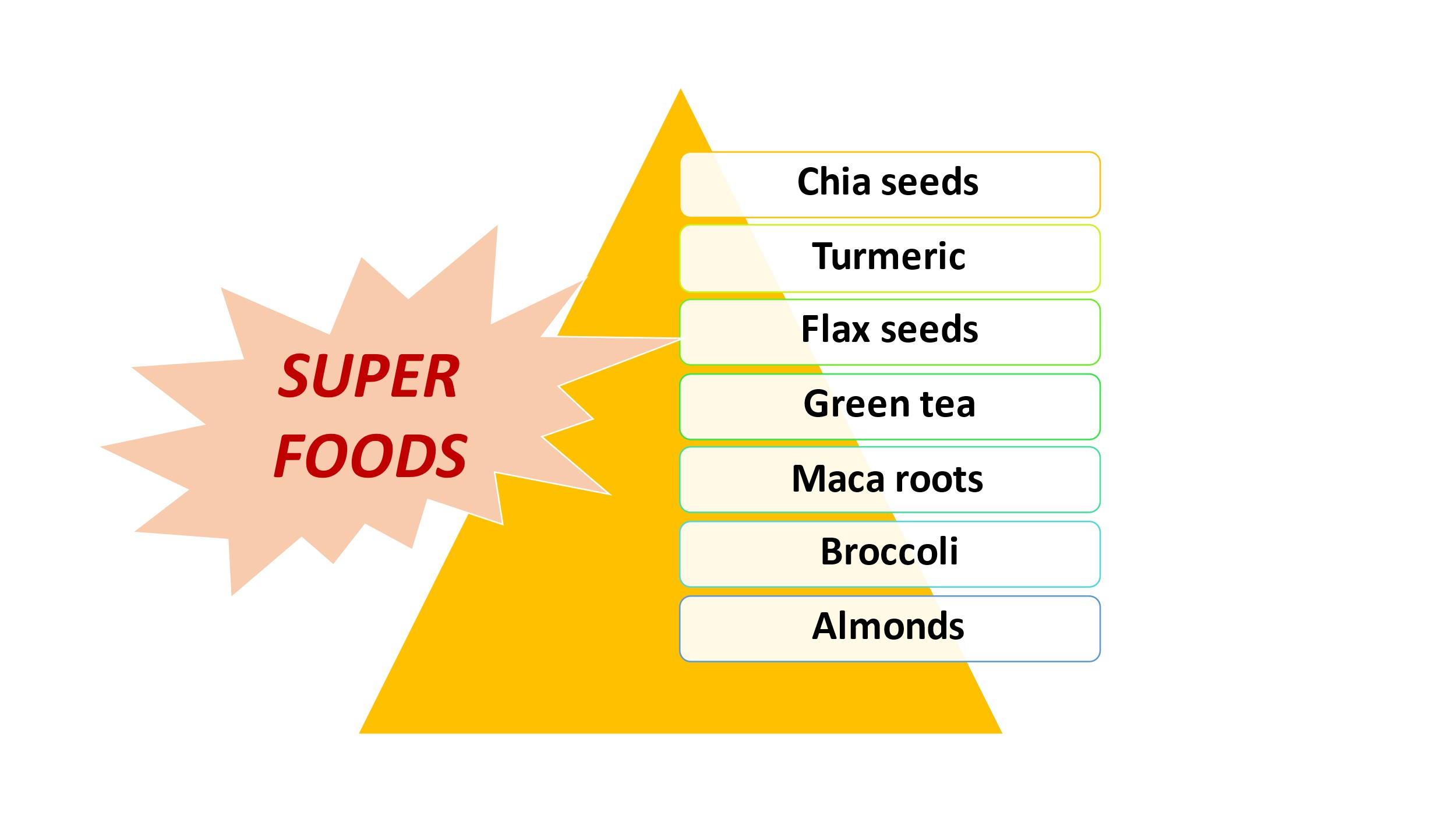
Chia seeds are high in fiber, protein, and omega-3 fatty acids, as well as other essential vitamins and minerals. They are also a good source of antioxidants, calcium, magnesium, and manganese. Furthermore, they are low in calories and can help you feel full for longer. As such, chia seeds can be a great way to increase your nutrient intake without sacrificing flavor. Chia seeds have been increasingly recognized as a superfood for their rich nutritional profile and potential health benefits. For those with PCOS, chia seeds can be beneficial due to their high fiber content, which can help reduce inflammation and stabilize blood sugar levels. They are also a great source of omega-3 fatty acids, which can help reduce inflammation and balance hormones. Additionally, chia seeds are a good source of protein, calcium, and iron. All of these nutrients are important for a balanced diet and can help with PCOS symptoms (Naghizadeh et al., 2020).
- Turmeric
Turmeric is widely considered as one of the most powerful superfoods in the world. It has been used for centuries in traditional medicine systems and is now gaining popularity as an alternative remedy for a variety of conditions. Turmeric is a rich source of antioxidants, which helps to protect the body from cellular damage and it is also known to possess anti-inflammatory properties. Furthermore, turmeric is known to be beneficial for the digestive system, cardiovascular system, and even for skin health. It can be consumed in various forms such as capsules, powders, and even added to food. Research suggests that turmeric may help to treat PCOS symptoms by reducing inflammation, regulating hormones, and helping to reduce insulin resistance. Turmeric may also help reduce weight gain, improve fertility, and reduce the risk of heart disease associated with PCOS. For best results, it is recommended to take turmeric in capsule form or make a turmeric tea or turmeric milk. Additionally, it is important to pay attention to a balanced diet, exercise regularly, and practice stress management techniques to help reduce PCOS symptoms. Turmeric is thought to be beneficial in helping to reduce the symptoms of PCOS. It has anti-inflammatory and antioxidant properties, which may help to reduce inflammation in the body, and it also has hormone-balancing properties that help to regulate androgen levels. There is also evidence that turmeric may help to improve insulin resistance, which is a common issue in women with PCOS. Additionally, turmeric has been shown to reduce the risk of miscarriage in women with PCOS. Finally, turmeric helps to boost the body’s immunity, which can help to fight off infections and diseases (Amirjani et al., 2019).
- Flax seeds
Flaxseeds are considered one of the most nutrient-dense superfoods available. They are packed with omega-3 fatty acids, fiber, protein, and numerous vitamins and minerals, including B vitamins, magnesium, potassium, and zinc. Flaxseeds also contain lignans, a type of phytonutrient with antioxidant properties. These tiny seeds can be used in a variety of ways, such as adding them to smoothies, oatmeal, yogurt, salads, baked goods, and more. They can also be ground into a meal and used as an egg replacement in vegan baking. Flaxseeds are also available in capsule and oil form, making them easy to incorporate into your diet. Overall, flaxseeds are an excellent source of nutrition and offer numerous health benefits, including promoting heart health, aiding digestion, and fighting
inflammation. Adding them to your diet is an easy way to increase your intake of essential nutrients. Flaxseeds are rich in omega-3 fatty acids, which can help reduce inflammation and regulate hormones, and lignans, which may also help reduce inflammation. They are also a good source of dietary fiber and protein, which can help keep blood sugar levels stable. Thus, including flaxseeds in a diet for PCOS may help reduce symptoms and improve overall health. Additionally, flaxseed may help reduce androgen levels, which can help alleviate some of the symptoms associated with PCOS. Flaxseed can be eaten whole or ground and can be added to smoothies, oatmeal, yogurt, salads, and baked goods. It is important to note that flaxseed should not be consumed raw, as it can be difficult to digest and may cause digestive issues (Vijayan et al., 2019).
- Green tea
Green tea is often referred to as a superfood due to its many health benefits. It is packed with antioxidants and other plant-based compounds that can help reduce inflammation, improve brain function, and boost the immune system. It has also been linked to a lower risk of certain types of cancer and heart disease. Green tea is also a great source of caffeine, which can provide an energy boost without the crash associated with coffee. Additionally, green tea can help you lose weight and improve your overall health. Green tea is an important source of nutrients for humans. It contains a variety of vitamins, minerals, and antioxidants that can help to protect the body from disease. It is also a natural source of caffeine and theanine, which can help to improve mental alertness and focus. Additionally, green tea contains catechins, which have been shown to help reduce inflammation and improve immune function. Furthermore, green tea has been linked to improved cardiovascular health due to its anti-oxidative and anti-inflammatory properties. Green tea is an effective antioxidant that has been linked to improved insulin sensitivity, which is a significant factor in PCOS. It also helps to regulate blood sugar levels, which can reduce the risk of PCOS related health issues such as heart disease and diabete. Additionally, green tea is rich in polyphenols, which can help to reduce inflammation and balance hormones. Finally, green tea can help to reduce stress levels, which can help to improve PCOS symptoms (Singh et al., 2022).
- Maca roots
Maca root is an herb native to Central and South America and is widely used in traditional medicine. It is a natural anti-inflammatory that helps reduce inflammation and swelling caused by arthritis, joint pain, and other conditions. It can also be used to treat indigestion and digestive issues. Maca root is high in vitamins and minerals, making it an excellent source of nutrition. Additionally, it can help boost energy levels and improve mood. Maca Root is a superfood that has been used for centuries for its numerous health benefits. Rich in vitamins, minerals, and antioxidants, Maca Root has been used to increase energy, improve mood, boost libido, and enhance fertility. It also contains important amino acids, fatty acids, and phytonutrients that are beneficial for overall health. Maca Root is also known for its ability to help balance hormones, reduce stress and anxiety, regulate blood sugar, and fight inflammation. While more research is needed to confirm the exact health benefits of Maca Root, it is becoming increasingly popular as a natural supplement for people looking to improve their overall health and wellbeing. Maca roots may be beneficial in helping to treat PCOS. It is a natural adaptogen that helps to balance hormones, improve fertility, reduce symptoms like acne and hirsutism and improve energy levels. Additionally, it can help regulate insulin levels and reduce inflammation in the body, both of which may be beneficial in treating PCOS. Maca roots is also thought to help with mood disorders, which may be beneficial for women with PCOS who experience depression or anxiety (Nouri et al., 2022).
- Broccoli
Broccoli is a super food due to its high levels of vitamins, minerals, and antioxidants. It is rich in vitamins A, C, K, and B6, as well as minerals like calcium, potassium, magnesium, and iron. Broccoli is also packed with fiber and powerful phytonutrients like sulforaphane, which has been linked to a reduced risk of certain cancers. Aside from its nutritional benefits, broccoli is also incredibly versatile and can be enjoyed in a variety of dishes. The benefits of broccoli for PCOS treatment are still being studied. Broccoli is high in many essential vitamins and minerals, including vitamin C, vitamin K, folate, manganese, and potassium. It is an excellent source of antioxidants, including kaempferol and quercetin, which can help reduce oxidative stress in the body. Broccoli contains a compound called sulforaphane, which has been linked to lower blood pressure. It is a good source of fiber, which may help protect against certain cancers, including colon, pancreatic, and prostate cancer. The fiber, water, and vitamin C content in broccoli all support healthy digestion. Broccoli contains soluble fiber, which can help lower cholesterol levels. However, research has shown that broccoli may help reduce inflammation, which is often a factor in PCOS. Additionally, broccoli is a good source of dietary fiber, which helps regulate blood sugar levels, and it is also a source of antioxidants and vitamins, which can help support overall health. Eating broccoli can also help reduce the risk of PCOS-related conditions such as heart disease, diabetes, and metabolic syndrome (Liu et al., 2020).
- Almonds
Almonds are an excellent source of healthy fats and can be a beneficial addition to the diet of those with polycystic ovary syndrome (PCOS). Almonds are rich in monounsaturated fats and omega-3 fatty acids, which can help reduce inflammation and lower insulin resistance, two key factors in PCOS. Additionally, almonds are a good source of fiber, magnesium, and vitamin E, all of which can help regulate hormones and reduce the risk of metabolic syndrome. Eating almonds can also help reduce hunger and cravings, which can help promote weight loss, a key component of PCOS management. Finally, almonds are low in sugar and can help keep blood sugar levels stable, which can also help reduce the risk of developing diabetes, a common complication of PCOS. Almonds are a good source of many essential nutrients, including vitamin E, manganese, magnesium, and phosphorus. They are high in antioxidants, which can help protect the body from oxidative damage caused by free radicals. Almonds are high in fiber, which can help to promote digestive health and reduce the risk of certain diseases. Almonds are high in monounsaturated fatty acids, which can help reduce cholesterol levels and decrease the risk of heart disease. They help to reduce hunger and increase feelings of fullness, which can help with weight loss. Almonds can help to regulate blood sugar levels, which can be beneficial for those with diabetes (Li et al., 2021).
- Conclusion and Future Prospectives
The role of superfoods in PCOS is an area that is increasingly being explored as a potential way to manage the condition. While more research is needed to better understand the exact mechanisms of action, the current evidence suggests that adding certain superfoods to a balanced diet may help in the management of PCOS symptoms. This includes improving insulin sensitivity, reducing inflammation, and improving the hormonal balance. Additionally, superfoods may help reduce the risk of related health issues such as obesity, type 2 diabetes, and metabolic syndrome. In the future, superfoods may become a more mainstream part of the treatment plan for PCOS, as more research is conducted to further understand their potential benefits. The primary causes of PCOS are insulin resistance and a sex hormonal imbalance. Macronutrients are important in the development of PCOS complications, as are carbohydrates, the glycemic index, and the load effect on health risks. It is linked to infertility, diabetes, obesity, cardiovascular disease, and multiple syndrome. A low carbohydrate, high protein, and high PUFA or MUFA (fat) diet aids in weight loss, symptom control, and diabetes prevention. Macronutrients play an important role in the health risks associated with PCOS, carbohydrates, glycemic index, and load. It is linked to infertility, diabetes, obesity, cardiovascular disease, and multiple syndrome. A low carbohydrate, high protein, and high PUFA or MUFA (fat) diet aids in weight loss and diabetes management. Myoinositol, resveratrol, flavones, and flaxseed are nutrients that act as a novel therapeutic treatment for PCOS complications.
References
Amin, S. N., Asali, F., Elrefai, M. F. M., El Gazzar, W. B., Shaltout, S. A., Elberry, D. A., . . . & ShamsEldeen, A. M. (2022). Insight towards induction of reproductive-metabolic phenotypes of polycystic ovarian syndrome. Jordan Journal of Biological Sciences, 15(5).
Chakraborty, K. (2022). THERAPEUTIC IMPLICATION OF Aloe barbadensis Mill.(aloe vera) FOR THE MANAGEMENT OF polycystic ovarian syndrome (PCOS): A SYSTAMATIC REVIEW. Biochemistry International, 22–26.
Minocha, N. (2020). Polycystic ovarian disease or polycystic ovarian syndrome: How to identify and manage-A review. Archives of Pharmacy Practice, 11(2).
Mounika, M. (2019). Role of nutrition in polycystic ovary syndrome.
Noreen, S., Kanwal, R., Rehman, A., Sadiqa, A., Mubarak, F., Niazi, M. K., . . . & Pane, Y. S. (2022). Potential role of cinnamon (Cinnamomum verum) to reduce the risk of polycystic ovary syndrome by managing the obesity: A review.
Rushinaidu, T., Eswari, G., Jnapika, M., & Krishnapriya, L. (2023). A review article on PCOS and its impact on quality of life in women correlation with age, basal metabolic index and various factors. International Journal of Health Care and Biological Sciences, 13-17.
Vijayan, S. (2019). Polycystic ovarian syndrome; a functional disorder OF ovary.